FEELING TIED UP BY BEHAVIOR PROBLEMS?
Did you know…..When emotional regulation is embedded into daily practice, students perform an average of 11 percentile points higher academically?
THE REALITY IN SCHOOLS RIGHT NOW

-Teachers are spending more time managing behavior than teaching, draining instructional minutes, morale, and momentum.
- Dysregulation shows up as outbursts, shutdowns, avoidance, and conflict across classrooms and hallways.
- Students and adults alike are left stretched thin, overwhelmed, and exhausted.
The solution is not more behavior plans!
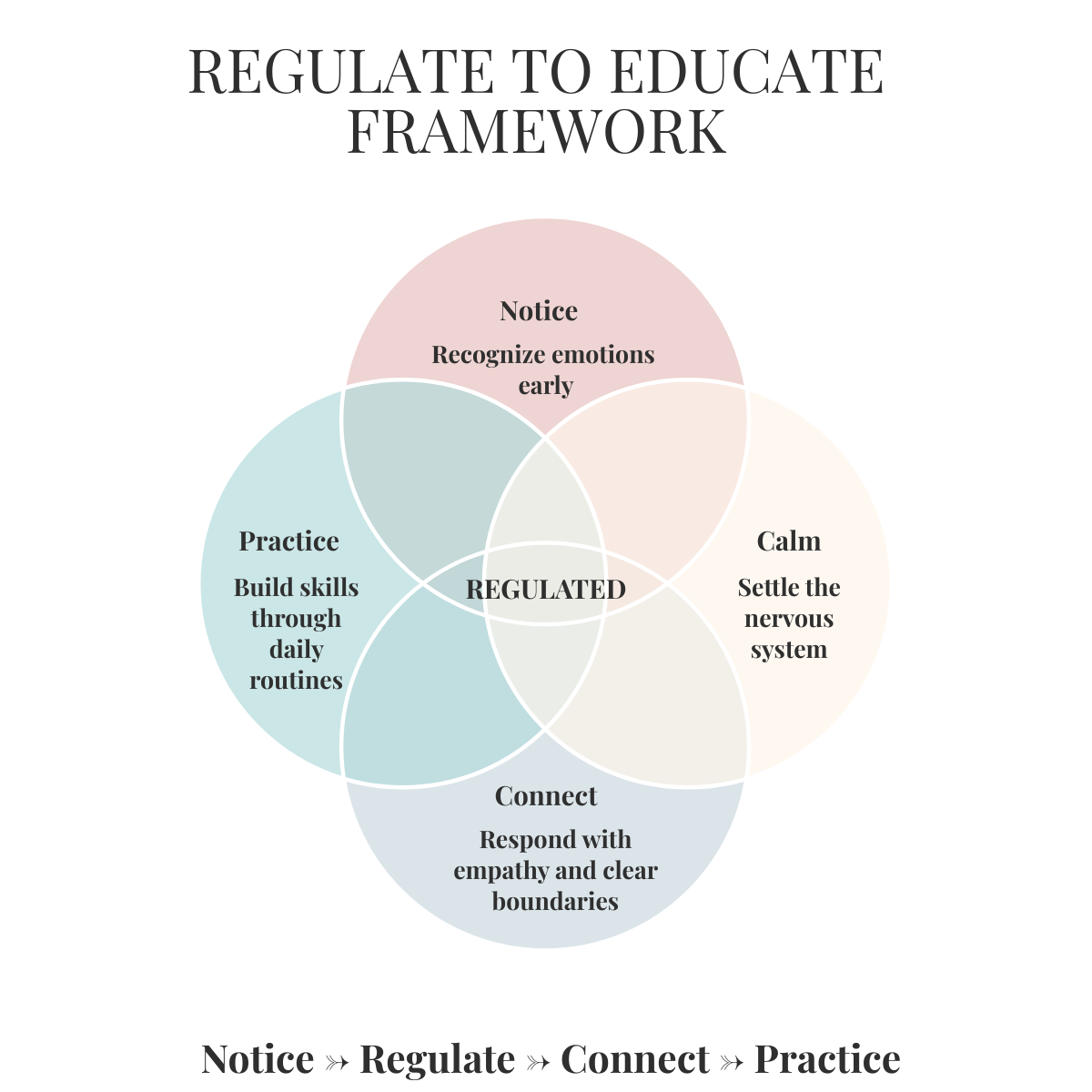
It’s building emotional regulation into the every day rhythms of school life !



* Effective emotional regulation strategies can reduce classroom behavior incidents by up to 30 to 50 percent, increasing instructional time and teacher capacity.
* Teachers with strong emotional regulation report lower burnout, improved classroom management, and stronger relationships with students, all of which directly impact learning outcomes.
*By embedding emotional regulation into daily routines, leadership practices, and classroom culture, schools create environments where everyone can stay grounded, connected, and ready to learn.
Trusted by School Leaders
Elementary School Principal
“This professional development met our teachers where they were. The strategies were clear, realistic, and made an immediate difference in classroom climate.”
Director of Student Services
“The focus on adult regulation changed how our educators respond to behavior. We’ve seen calmer classrooms, stronger relationships, and greater staff confidence.”